
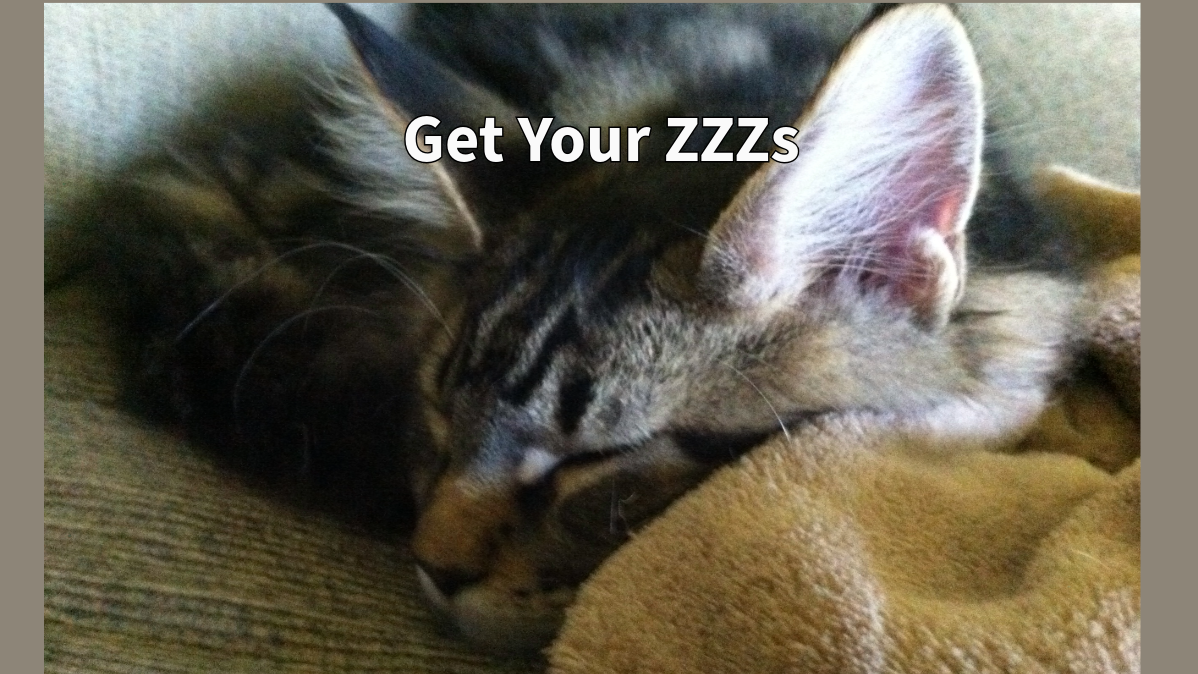

In this musing, I focus on sleep. When you think of ways to increase your overall health and well-being, you may think of changing your diet or adding exercise. But sleep is often not prioritized. Sleep affects every aspect of your life, diet, exercise, and interactions during the day.
You need sleep to maintain a healthy diet, have the energy to exercise, or even get through your day without artificial energy sources like caffeine. Without sleep, you are more likely to lack awareness or get cranky. Without sleep, it will be much harder to be disciplined enough to create other healthy habits.
Why is sleep so important?
Sleep is important because, during sleep, you allow your nervous system a chance to “turn off” and get out of the constant mode of doing and go into a state of rest and digest. During sleep, the organs of your body, including digestion, do their “house cleaning” tasks. It is during this phase that your body metabolizes and repairs. When sleep is lacking, your body is not able to heal itself. Sleep is a way to decrease stress. Sleep is rejuvenating.
Studies show that sleep affects your appetite. Two hormones in your body control your appetite. The hormone ghrelin stimulates appetite, creating hunger, and the hormone leptin suppresses appetite, creating a sense of fullness. Leptin also stimulates the cellular expenditure of energy. If you don’t get enough sleep, levels of ghrelin increase, creating more hunger and less energy expenditure. Tiredness also often equates to grabbing short-term energy producers like caffeine and sugar.
Sleep affects how you exercise; less overall energy means less effective workouts.
What disturbs sleep?
Many things can disturb sleep. Pain and stiffness, too much caffeine late in the day, or there are ways you might sabotage getting to sleep at night. Some innocent evening habits can create problems getting to sleep later.
You override your brain’s natural late evening wind down by staring at a bright computer screen or television. Generally, as the light decreases, you begin to secrete the hormone melatonin from your pineal gland, signaling it is time to wind down for sleep.
If you use the bedroom to study or watch TV, you may associate the bedroom with activities other than sleep.
Irregular routines disrupt natural sleep cycles, going to bed and getting up at different times daily.
Napping during the day, especially if it is more than a twenty-minute snooze, can disrupt sleep at night.
Excessive exercise or physical activity can create insomnia, especially in the evenings.
Poor digestion or eating heavy meals can produce create insomnia.
Alcohol may make you drowsy and fall asleep faster, but it disrupts your deep sleep stages, especially in excess.
Ways to get more sleep
Create a routine that begins to wind you down in the evening. Begin by decreasing your activity in the late evening. A warm bath or shower about a 1/2 hour before bed may help calm the mind. Spend time massaging your feet and scalp with warm water or oil, then take a warm bath. You might play relaxing music. Try aromatherapy, diffusing an essential oil like lavender, Be careful if you have pets. Many essential oils are not suitable for them. Take a moment to research any oils you are diffusing around pets or children.
Begin turning down the lights as the evening progresses. Remember, bright lights decrease your body’s melatonin production. No computers or television or staring into bright lights after 8 pm. Avoid scary movies!
Don’t use the bedroom to watch TV or work on the computer. The bedroom is a place to relax.
Try to get to sleep at the same time each night, and get up at the same time in the morning. This will begin to set your body clock to expect sleep.
Get into bed before 10 pm. The later evening is when you naturally wind down and get ready to sleep as the light decreases and melatonin production increases. If you stay up much after that, you may get a second wind.
Avoid napping if you can. If you need to nap, limit the nap to under twenty minutes.
Exercising in the evening may wind you up. If you feel like you are getting a second wind after evening exercise, consider trying to exercise earlier in the day. Try gentle yoga stretches and pranayama, like the alternate nostril breath if you need movement.
Avoid eating large meals at night, especially later in the evening. The process of digestion keeps the body active. Excessively spicy foods or chocolate with caffeine stimulate the body and mind and keep you up. Alcohol may make you groggy or help you fall asleep faster, but it may cause you to wake up in the middle of the night because it adds to liver heat. Drink warm decaffeinated tea, like chamomile, or if you need a more substantial grounding snack, try a warm date milkshake.
Difficulty falling asleep may come from an anxious or keyed-up mind. Imagine packing up the worries and thoughts in a box or a suitcase. You can deal with them in the morning, maybe better after a good night’s sleep.
Actions for better sleep
Take a few moments to note if you wake up at night or have difficulty falling asleep, how often does this happen? Can you attribute it to stress? Or is there any other pattern, like heavy meals or alcohol?
Explore shifting your bedtime routine if you have difficulty staying asleep or falling asleep, or wake up tired. Pick one or two things to try to change tonight. You might start by turning off the TV or closing the laptop and reading a book instead. You may choose to take a warm shower and massage your feet with oil like sunflower oil. Ensure you are on a bath mat or towel so you don’t slip and fall with oiled feet. Rinse them off after in warm water. Try some deep, slow breathing. Set a few drops of essential oil like lavender into a saucer of water or diffuser, and find some relaxing music.
Relax and enjoy!

0 Comments